Removal Companies in Kentish Town

We provide removal companies in Kentish Town with a practical focus on household and business moves, careful handling, and organised transport planning. The service is built around the stages customers usually need most: moving furniture safely, protecting fragile items, loading efficiently, and keeping the process orderly from start to finish. Whether you are moving from a flat, a shared property, or a small office, our removals service is designed to support a straightforward move with clear communication and a sensible scope.
Our work can cover full removals, smaller moves, and selective transport of furniture or boxed belongings, depending on what you need to shift. If you are comparing options, the removal services page gives a broader view of the kind of moving support available, while this homepage keeps the emphasis on the core service in Kentish Town. The aim is simple: help you understand what can be moved, how it is typically managed, and where to request a quotation when you are ready.
For customers preparing a move, the main practical questions are usually volume, access, and the level of help required on the day. Some people need a straightforward van-and-loading arrangement, while others want a fuller service that includes dismantling, wrapping, and moving larger household items. Our approach stays centred on those decisions so you can choose a level of support that fits your property, schedule, and belongings without paying for more than you need.
Home removals for different property sizes
Home removals can involve anything from a few key items to the contents of an entire household, so the service needs to be organised around the layout and access at each property. We help with beds, wardrobes, sofas, tables, appliances, boxes, and other general household goods, with attention to handling and loading order. A well-planned move is not only about carrying items; it is also about placing them in the right sequence so the vehicle is used efficiently and fragile pieces stay protected.
For flats and smaller homes, the most useful decisions often relate to stair access, parking, lift use, and how much dismantling is needed before loading. Larger homes may benefit from a more structured approach to room-by-room packing and staged removal. If you are also considering a move beyond Kentish Town, our home moves page explains the domestic side of the service in more detail, including the kind of moving support households commonly ask for.
What a domestic move may include
Typical domestic removal work can include wrapping fragile pieces, moving freestanding furniture, protecting floors where needed, and loading items so they travel securely. In some cases, customers want help with bulky objects that are awkward to move without proper equipment or enough people on site. We can also discuss the order of loading for items you will need first at the other end, which helps keep the unpacking stage more manageable.
Careful handling for furniture and packed items

Furniture and boxed belongings often need different treatment during a move. Hard-wearing items may mainly need safe lifting and secure placement in the vehicle, while delicate pieces can benefit from wrapping, corner protection, and steadier handling through doorways and stairwells. Good removal work respects the shape, weight, and surface of each item rather than treating everything the same. That is especially important for mirrors, glass-topped tables, display units, and other pieces that can be damaged by careless contact.
If your move includes standalone furniture or a few larger items rather than a full household, our furniture pick-up page is a useful reference point for that type of transport. It is also worth deciding in advance whether items need dismantling, because beds, shelving, and certain wardrobes often travel more safely in sections. Clear access and realistic time planning make the process easier for everyone involved.
Good preparation supports better handling. A simple inventory, labelled boxes, and a note of any awkward items all help the move run more smoothly. If there are narrow hallways, tight turns, or unusually heavy objects, it is better to flag those points early rather than discover them at the doorway. That is not about adding formality; it is about making sure the right equipment and moving method are used from the outset.
Office and commercial removals
Business removals need a different rhythm from household work because the priority is often reducing interruption while still moving equipment safely. Desks, chairs, storage units, boxed files, and general office contents all need to be managed with care, particularly where access is shared with staff, visitors, or building management. A commercial move works best when the key items are identified in advance and the order of removal is planned around the layout of the workspace.
Our office removals page covers the office side of this service, while the related commercial moves page is helpful if your move involves a broader business relocation. Those pages suit customers who need to compare the practical options for desks, filing, furniture, and other workplace items before requesting a quotation. The underlying principle remains the same: move the right items in a controlled way, with sensible timing and clear scope.
Keeping a workplace move orderly
Commercial removals are easier when furniture, files, and equipment are grouped by destination rather than collected randomly from different rooms. That can mean labelling boxes by department or floor, deciding which items need protection, and confirming whether anything should be dismantled before loading. Where business stock or equipment is involved, the aim is to keep the move methodical so items can be placed in the right location quickly on arrival.
Man and van removals for smaller jobs
Not every move needs a full household removal. Sometimes the better fit is a smaller vehicle arrangement for a few items, a student move, or a partial relocation where only selected belongings are being transported. That is where a more compact removal option can be practical, especially when access is straightforward and the load is limited. A smaller service can still be organised with care; it simply focuses on the items you actually need to move.
Our man and van page is relevant if you are looking for a lighter moving option, and man and van removals explains the same general idea from a removals perspective. These are useful when the job sits between a simple courier-style transport and a larger household move. The service can suit individual pieces, a few rooms of belongings, or a mixed load that needs sensible lifting and secure transport.
Because smaller moves often happen with less lead time than larger ones, it helps to be clear about the number of items, floor level, and whether any large furniture needs dismantling. That kind of detail supports a quotation that reflects the work properly and avoids surprises on the day. Clarity at the start generally makes the move feel easier, even when the job itself is relatively modest.
Packing, wrapping and unpacking support

Packing can take as much thought as the removal itself, particularly when fragile household goods, ornaments, kitchen items, or mixed office contents are involved. Careful packing reduces the chance of shifting during transport and helps groups of items stay together by room or category. Some customers only need a little support with awkward or breakable things, while others prefer a more structured packing arrangement before moving day. The service can be tailored to either style.
If you want a fuller view of this stage of the move, our packing and unpacking services page explains how that support sits alongside removals work. The practical value is in reducing the amount of loose handling and making the destination easier to settle into. Unpacking assistance can also be helpful where boxes are numerous or where a property needs to become functional quickly after the move.
Packaging choices should match the item being moved. Books, clothes, kitchenware, and fragile pieces all behave differently in transit, so the packing method should not be treated as one-size-fits-all. A sensible approach also leaves room for heavier boxes to be loaded low and stable, with lighter or more delicate items placed where they are less likely to be crushed.
Removal vehicles and transport planning
Transport is a central part of any removal, but the vehicle choice should follow the size and shape of the job rather than the other way around. Some moves are best served by a straightforward removal van, while others suit a larger vehicle when there are more items, bulkier furniture, or a longer loading sequence. The important thing is that the load fits properly, is secured sensibly, and can be moved without awkward overstacking.
Our removal van page and the broader moving van page are useful if you are thinking about the transport side in more detail. For bigger jobs, moving truck may be more relevant, particularly where volume and loading space are key considerations. These pages help customers compare the practical scale of different moving setups before they request a quotation.
- Smaller loads may suit a compact vehicle and a shorter loading plan.
- Bulky furniture may need extra space and a steadier loading sequence.
- Fragile items benefit from secure placement and careful separation.
- Mixed domestic or office moves usually need a clear order of loading.
Pricing factors and quotation preparation
Removal pricing is usually influenced by the amount being moved, the access at both properties, the distance between locations, and whether extra handling is needed for furniture or fragile items. Stair carries, awkward parking, and dismantling can all affect the amount of work involved, so the most useful quotations are based on a clear picture of the job. That is one reason it helps to describe the move in practical terms rather than simply asking for a rough estimate.
If you are comparing service options, the pricing and quotes page is the best place to start. It is designed to support customers who want to understand how a removals quotation is formed before they make contact. We always recommend giving as much relevant detail as possible about the property type, the items to be moved, and any access points that may affect loading or parking.
Two pieces of information are especially helpful: a short list of the larger items, and a note of any practical constraints such as narrow stairs or limited waiting space. You do not need to overcomplicate the request. A simple and accurate summary is usually enough to help produce a quotation that reflects the job properly. Clear details make it easier to match the service to your move.
About Kentish Town
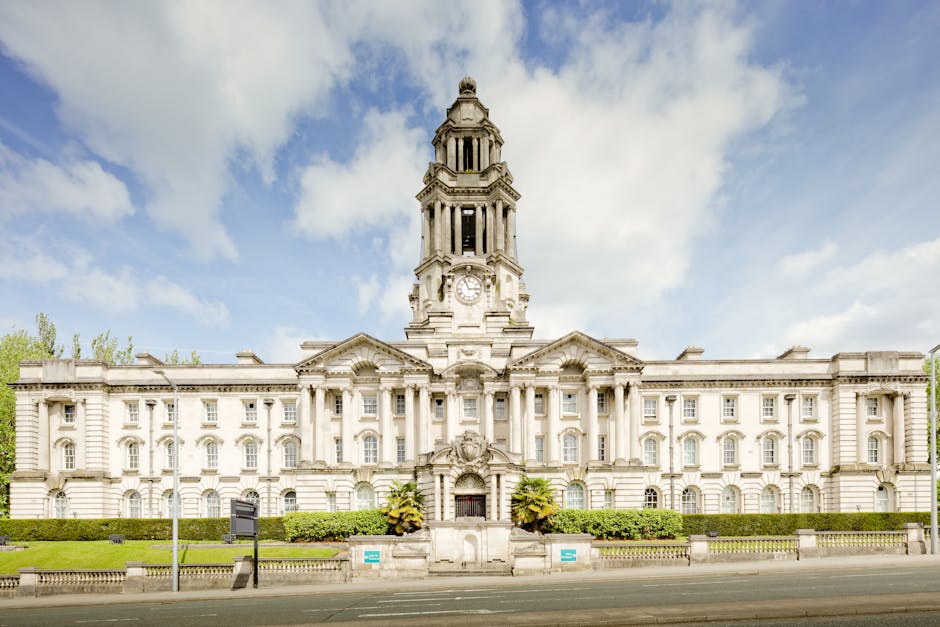
Kentish Town sits in the London Borough of Camden, just north of Camden Town and south of Hampstead Heath, with a long history shaped by its position on routes into and out of central London. The area grew from a rural settlement into a busy urban neighbourhood during the nineteenth century, when railway development, housing expansion, and local commerce changed its character. Today it is known for a mix of Victorian terraces, mansion blocks, and more recent residential and mixed-use buildings, together with a lively high street that runs through the centre of the district. The locality also has a strong cultural identity, with venues, pubs, cafés, and community facilities that reflect its varied population and history. St Pancras and Kentish Town stations connect the area to wider London, while the surroundings include access to green spaces such as Hampstead Heath and smaller pockets of open land and public realm. Kentish Town has also been associated with music, performance, and independent retail over the years, which contributes to its reputation as an established inner-London neighbourhood rather than a purely commuter district. Its streets combine older residential fabric with the practical density of city living, making the area a distinct part of Camden with its own recognisable pattern of development and everyday life.
In many local moves, practical access and building layouts matter just as much as distance, so the right moving plan starts with a realistic look at the property rather than a generic approach. Narrow streets, upper-floor flats, shared entrances, and mixed building types all call for organised handling. If your move includes multiple rooms, specialist items, or business equipment, it may help to compare the relevant removal pages first and then request a quotation when you are ready to outline the work. For a direct enquiry, contact us and give a brief summary of what needs moving.
Service options that support different moving needs

Some customers need a complete move from one property to another, while others only want help with a particular stage. We therefore keep the service flexible enough to cover removals, transport, and related moving tasks without turning every enquiry into the same type of job. That flexibility is useful when you are moving fewer items, managing a combination of household and office contents, or trying to coordinate a move around other commitments. The service is shaped by the load, the access, and the destination.
There are several other pages on the site that may be relevant depending on the kind of move you are planning. For example, house removals and house movers focus on domestic relocation, while removals and removal company provide broader overviews of the main service. If you want a wider search-style starting point, removals near me may also be helpful as a navigation page.
Choosing the right level of support is often easier when you decide what the move must achieve. For some people, the priority is moving everything in one go; for others, it is moving a few important items safely and keeping the rest separate. Either way, a well-scoped removals job should feel orderly rather than rushed, with the practical parts explained clearly enough to allow a sensible plan.
Organising the day of the move
Good moving-day organisation reduces wasted time and unnecessary handling. It helps to keep the items for removal together where possible, make sure pathways are usable, and set aside anything that should not go on the vehicle. If there are furniture pieces that need to be dismantled, it is sensible to allow time for that before loading starts. The same applies to items with detachable shelves, glass panels, or fittings that need to be secured separately.
When you are ready to make an enquiry, a concise description of the move is usually enough to begin the process. Mention the property type, the number of rooms or approximate load size, and any particularly large or delicate items. If it is helpful, you can also note whether the move is domestic or commercial. Simple preparation often leads to a clearer plan, and a clearer plan tends to make the removal more manageable.
Before the day arrives, it is worth deciding which belongings you will keep with you rather than loading them into the vehicle. Documents, keys, medications, chargers, and valuables are often better carried separately so they remain close to hand. That small step can make the move easier to settle into once the transport stage is complete.
Request a quotation for your Kentish Town move

If you are comparing removal companies in Kentish Town, the quickest way to get started is to describe the move clearly and ask for a quotation based on the actual work involved. We can help with household removals, office moves, smaller van-based jobs, and related transport needs, with the service shaped around the items, access, and destination. A good removal plan should feel practical, straightforward, and suited to the property rather than forced into a fixed template.
For a quotation, contact us with the key details of the job and the kind of moving support you need. If you would like to compare the moving pages first, you can also review the relevant service sections above and then come back when you are ready. The aim is to keep the process simple: understand the service, match it to your move, and ask for the price based on the work required.
Whether you are moving a few pieces of furniture or arranging a fuller household relocation, the right starting point is a clear summary of what needs to be moved and where it is going. From there, the quotation process can focus on the practicalities that matter most, so you can plan the move with confidence and without unnecessary guesswork.