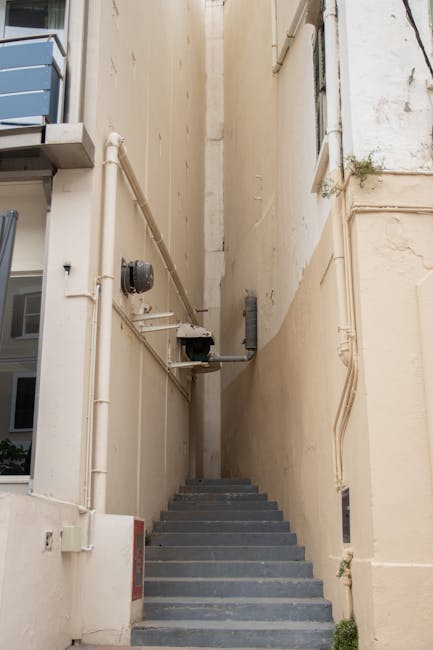
Narrow stairs removals solutions for Kentish Town homes

If you live in Kentish Town, you probably already know the drill: lovely period layouts, compact hallways, and staircases that feel like they were designed for one person carrying a teacup, not a sofa. Narrow stairs removals solutions for Kentish Town homes are all about making a move safer, calmer, and far less awkward when the staircase is tight, the turns are sharp, and the landing is barely large enough to breathe on. That doesn't mean it has to be stressful. With the right planning, equipment, and moving method, even awkward furniture can be shifted without a drama.
This guide walks through how the process works, what to expect, where the risks usually show up, and how to choose the right approach for flats, terraces, and converted homes around Kentish Town. You'll also find a practical checklist, a comparison table, and a few realistic examples from the kind of moves people actually do here.
Why Narrow stairs removals solutions for Kentish Town homes Matters
Narrow stairs are not just a nuisance. They shape the whole moving day. In Kentish Town, many homes have stairwells with awkward bends, old banisters, low ceilings, or landings that seem to shrink once a wardrobe appears on them. One wrong move and you're dealing with scuffed walls, strained backs, scratched furniture, or a delivery that simply cannot get upstairs at all. Nobody wants to be halfway through a move, stuck on the second stair with a headboard wedged at an impossible angle. Been there? Many people have, and it's exactly why specialist planning matters.
The real issue is not the stairs alone; it's the combination of building layout, item size, and the pressure of timing. A move in a small Kentish Town maisonette or top-floor flat can look straightforward on paper, then suddenly become a puzzle. That's where narrow-stairs moving solutions earn their keep. They reduce risk, keep the move moving, and save you from improvising under pressure.
If you're already planning a wider home move, it may help to look at the bigger picture too. Our local guides on house removals in Kentish Town and flat removals in Kentish Town explain how property type affects the moving plan. For people with a larger mix of furniture and boxes, furniture removals in Kentish Town can be especially relevant.
Expert takeaway: The narrower the staircase, the more the move depends on planning, protection, and accurate measurements. Guessing is where trouble starts.
How Narrow stairs removals solutions for Kentish Town homes Works
The method is usually simpler than people expect, though it does take care. First, the mover assesses the staircase, the item dimensions, the hallway shape, and any pinch points such as tight turns or low ceilings. Then they decide whether the item can be carried through as-is, partly dismantled, or moved using a different route or technique.
In practice, the solution often combines several small actions rather than one heroic lift. Furniture may be wrapped, padded, angled vertically, and moved with one person guiding and another supporting. Protective coverings can be placed on banisters and corners. Sometimes the item needs legs, doors, or mattress bases removed to create just enough clearance. That sounds obvious, but it's amazing how often one tiny adjustment makes the whole job possible. Truth be told, that is usually the difference between a smooth move and a swearing contest in the hallway.
For more complex jobs, a careful pre-move survey is worth it. If you're comparing service types, you can also review the full services overview and see how broader support options fit into your move. If time is tight, it may be sensible to look at same-day removals in Kentish Town, though urgent jobs still need honest expectations around what can be done safely.
The best narrow-stairs solution is rarely about brute force. It is about sequence: measure, protect, dismantle if needed, lift correctly, and move slowly enough to keep control. Simple enough on paper. Less simple at the top of a Georgian-style staircase while somebody is holding the front door open and the kettle is still packed.
Key Benefits and Practical Advantages
There are a few good reasons to use a specialist approach instead of hoping your usual moving day method will somehow fit a narrower staircase. The first is obvious: fewer accidents. The second is surprisingly important: less time wasted. A team that knows how to handle awkward access tends to work more efficiently because they are not figuring things out from scratch on your landing.
Here are the main advantages:
- Reduced damage risk: Walls, banisters, corners, and furniture edges are all less likely to suffer.
- Better safety: Movers can keep their balance and avoid rushed lifting.
- More items can be moved in one go: Smart dismantling often means fewer trips.
- Less stress for you: A move feels a lot less chaotic when the path is thought through.
- Fewer last-minute surprises: If a staircase is measured correctly early on, the plan can match reality.
There's also a local advantage. Kentish Town properties often sit somewhere between elegant and impractical, which is very London, really. A well-planned move respects the building, the neighbours, and your own timetable. If you're already juggling keys, leases, and handover timings, a smooth stair strategy can make the whole day feel manageable. That matters more than people admit.
For some households, the wider moving plan is just as important as the staircase itself. If storage is part of the solution, have a look at storage options in Kentish Town. If packing is the weak point, packing and boxes support can take a lot of pressure off before moving day even begins.
Who This Is For and When It Makes Sense
This approach is for anyone moving furniture or household items through a staircase that is too narrow, too steep, or just awkward. In Kentish Town, that often means residents of upper-floor flats, converted Victorian homes, older terraces, student lets, and maisonettes where the staircase turns at the worst possible moment.
It makes particular sense if you're moving:
- large sofas or armchairs
- beds, mattresses, or bed frames
- wardrobes or shelving units
- pianos or other heavy, delicate items
- office furniture being moved from a home workspace
- multiple boxes combined with bulky household goods
If you're a student moving between rooms or shared flats, the challenge can be different but just as real. Kentish Town has plenty of compact living spaces, and a smaller van plus careful carrying is often the smart way through. You may also find student removals in Kentish Town useful if your move is lightweight but still access-heavy.
For people relocating out of the area, the same logic applies to planning. A home sale can put pressure on timing, and awkward stairs do not care about your completion date. If you're at that stage, this Kentish Town home-selling guide may help with the broader move-out picture.
Step-by-Step Guidance
Here's a practical way to approach a narrow-stairs move without overcomplicating it.
- Measure everything. Measure the item, the staircase width, the landing depth, the stair turns, and any low points. Do not rely on memory. Memory is a bit rubbish here, to be fair.
- Identify the awkward points. Look for railings, lampshades, radiators, protruding skirting, and door frames. The narrowest section is not always where you think.
- Decide what can be dismantled. Remove legs, doors, shelves, mirrors, or detachable tops where possible. Keep screws and fittings in labelled bags.
- Protect the building. Use blankets, corner protectors, and floor coverings to reduce scuffs and impact marks.
- Choose the right carrying method. Some items go upright, some need tilting, and some should not be moved at all without extra hands.
- Clear the route fully. Shoes, mats, bins, coat stands, pet bowls, and the random bits that collect in hallways all need to move out of the way.
- Move slowly and communicate. One person leads, one steadies, and both keep speaking. Quiet moving is rarely safe moving.
- Have a backup plan. If an item is too large, be ready to use alternative storage, a different access point, or a partial dismantle.
A small, sensible detail often saves the day: test the turning angle before lifting the full weight. You can do a dry run with a lightweight object or even by marking the route on paper. It sounds almost too basic, but it works.
If the move involves a mixed load, especially a single item plus several boxes, a flexible vehicle arrangement may help. Services like man and van in Kentish Town or removal van options are often suited to access-heavy moves where speed and manoeuvrability matter more than sheer volume.
Expert Tips for Better Results
The best advice is rarely glamorous. It's the small things done early. One of the biggest wins is pre-dismantling furniture before the mover arrives. If the legs on a sofa or the doors on a wardrobe come off cleanly, the whole route becomes less risky. Another good habit is photographing the item before disassembly so reassembly later is less of a guessing game.
Here are a few tips that really do help:
- Measure twice, move once. Old-fashioned advice, but still the best.
- Use proper wrapping. Blankets, stretch wrap, and edge protection beat a loose duvet every time.
- Don't overfill boxes. Heavy boxes are miserable on stairs. Empty space is sometimes your friend.
- Keep the landing clear. The top of the stairs needs breathing room for turns.
- Ask about insurance and safety practices. It's not a fancy extra; it's basic peace of mind.
Another useful point: schedule the move at a time when the building is quieter. Early mornings or mid-morning slots can make shared stairwells less of a bottleneck. If you live in a block where everyone seems to go out at exactly 8:15, you'll notice the difference immediately.
It can also help to speak with the moving team about access before moving day, not on the doorstep after everyone has arrived. If you want to understand how a professional provider handles safety, this insurance and safety information is worth reading alongside your plan.
Common Mistakes to Avoid
The most common mistake is assuming the item will just fit if you angle it enough. Sometimes it will. Sometimes it absolutely will not, and forcing it only creates damage. Another frequent issue is not measuring the staircase properly. People often measure the wall-to-wall width but forget the handrail, curve, or turning radius. That's where the real problem hides.
Other mistakes include:
- Leaving dismantling too late and trying to do it in the hallway.
- Forgetting to protect walls around tight corners.
- Using boxes that are too heavy for stair carrying.
- Not planning for parking or arrival timing if a van is involved.
- Ignoring building rules for flats or managed properties.
There's also a hidden mistake that catches people out: assuming the cheapest service is the best match. When access is awkward, a lower quote can sometimes mean less care, fewer helpers, or no willingness to deal with the difficult bits. That is the sort of saving that comes back to annoy you later. If you're comparing costs, the pricing and quotes page is the right place to start. It helps set expectations before you commit.
And one more, because it deserves its own line:
Do not underestimate the staircase. It always wins.
Tools, Resources and Recommendations
A narrow-stairs move is easier with the right kit. You do not need an industrial warehouse full of gear, just the sensible essentials. In many cases, a good mover will already bring them, but it helps to know what the tools are doing.
| Tool or resource | What it helps with | Why it matters |
|---|---|---|
| Furniture blankets | Wrapping and edge protection | Reduces scratches and bumps on tight turns |
| Stretch wrap | Securing loose parts | Stops drawers, doors, and cushions shifting |
| Corner guards | Wall and banister protection | Useful where the staircase narrows sharply |
| Furniture sliders or dolly | Short-distance movement on level ground | Helps before and after stair carrying |
| Labelled screw bags | Reassembly | Saves time later and reduces missing parts |
For many Kentish Town homes, the most useful resource is not a gadget at all but a reliable moving plan. If you need a broader support package, removal services in Kentish Town can combine transport, handling, and access planning in one place. If the move is tied to a shop, studio, or office setup, office removals may be more relevant than standard home moving support.
For readers who want to understand the company side before booking anything, about us gives a useful overview, while removal companies in Kentish Town is a sensible place to compare service direction. If you're the sort of person who likes the admin sorted cleanly, payment and security is worth a look too.
Law, Compliance, Standards, or Best Practice
Moving furniture through narrow stairs is not a heavily regulated specialist activity in the way some trades are, but there are still clear best-practice expectations. In the UK, movers should work in a way that protects people, property, and anyone else sharing the space. That usually means reasonable manual handling practices, proper load control, and a safe route assessment before heavy lifting begins.
From a practical point of view, this is where a responsible provider stands out. Safe lifting, sensible team sizes, and honest limits are all part of good moving practice. If a staircase is too tight for an item, a trustworthy mover should say so rather than forcing the issue. That may not sound dramatic, but it is exactly the sort of judgement that prevents injuries and damage.
For customers, it's sensible to ask about:
- how the team handles heavy or awkward items
- whether items may need dismantling
- what protection is used for walls, floors, and banisters
- what happens if access turns out to be tighter than expected
- what their safety and complaints procedures are
That last point matters more than people think. If a move goes off-plan, you want clear communication, not shrugging. A reputable business should be transparent about expectations, and if you'd like to read more, there are public pages on complaints procedure and health and safety policy. The tone of those pages tells you a lot about how the company approaches the job.
Accessibility is another quiet but important topic. If a staircase is a genuine barrier, the move may need extra help or a different arrangement. For related information, the accessibility statement is useful context.
Options, Methods, or Comparison Table
Not every narrow-stairs move needs the same solution. Sometimes a lightweight van and two movers are enough. Sometimes you need dismantling, extra handling time, or temporary storage. The right choice depends on item size, staircase shape, and how much you want to keep stress levels down.
| Method | Best for | Pros | Limitations |
|---|---|---|---|
| Carry as-is | Smaller furniture, boxes, light household items | Fast and simple | Not suitable for bulky items or tight turns |
| Dismantle and reassemble | Wardrobes, bed frames, larger tables | Improves fit and reduces strain | Needs time and careful tracking of parts |
| Specialist handling | Pianos, oversized furniture, fragile items | Safer for delicate or heavy objects | May cost more and require more planning |
| Storage first, move later | Moves with timing gaps or too many items for one day | Takes pressure off the stair route | Not ideal if you need everything moved immediately |
If your move is mostly one difficult item, a focused service can be the most efficient choice. For example, a piano or a heavy cabinet may be better handled through piano removals in Kentish Town or a dedicated furniture moving approach. If you are moving quickly and simply need hands, a man with a van setup can be practical too.
Case Study or Real-World Example
A typical Kentish Town scenario goes like this. A couple in a converted flat off a side street needed to move a three-seat sofa, a bed base, and several boxes down a staircase with a sharp turn midway. The sofa looked fine in the living room, but once it reached the landing, the turn became the problem. The hallway was narrow, the banister sat close to the wall, and there was no room to "just try again" without blocking the whole route.
The solution was practical rather than magical. The sofa legs were removed, the route was padded, and two movers guided the piece downward at an angle while a third monitored the landing. The bed base was dismantled before it ever touched the stairs. Boxes were moved separately so the team could keep clear sightlines. Nothing flashy. Just a sensible sequence. The move was completed without damage, and the couple did what most people do after a stressful day: sat on the floor for a minute, looked at the empty room, and laughed a bit in that exhausted way.
That sort of move is common in the area. It's why local knowledge matters. If you're in or around the station side of town, access can be even more awkward during busy periods. A guide like removals near Kentish Town West Station can be useful for planning timing and vehicle approach. For road-specific tips, moving tips for the Kentish Town Road area also offer practical local context.
Practical Checklist
Use this checklist before your moving day. It keeps things boring in the best possible way.
- Measure the furniture, stair width, and any turning points.
- Check whether doors, legs, shelves, or headboards can be removed.
- Take photos of the route and any tight spots.
- Clear hallways, landings, and stairwells completely.
- Protect corners, skirting, banisters, and floors.
- Label screws and fittings for reassembly.
- Confirm parking or unloading access if a van is involved.
- Keep pets and children away from the route during lifting.
- Ask about insurance, safety, and handling methods.
- Have a backup plan for items that simply will not fit.
If your move is last-minute, there may still be options. The key is being realistic about what can be handled safely in the time available. A quick chat through contact can help you explain the layout and the main access issue before anything is booked. That small step can save a lot of back-and-forth later.
Conclusion
Narrow stairs removals solutions for Kentish Town homes are really about good judgement. Measure well, plan the route, protect the property, and choose a moving method that fits the staircase instead of fighting it. The homes here are characterful, but character can come with tight turns and awkward landings. That is just the reality of moving in London. Still, with the right approach, it's entirely manageable.
The best moves tend to be the ones where nobody had to rush, nobody had to force a fit, and nobody left with a bruised shin and a story they never wanted. A calm, careful move is not glamorous, but it is a very good feeling when it works.
Get a free quote today and see how much you can save.
And if you're still in the planning stage, take your time. A thoughtful move always feels better than a hurried one, even if it takes a little extra coordination at the start.
Frequently Asked Questions
What are narrow stairs removals solutions for Kentish Town homes?
They are practical moving methods designed for homes with tight staircases, awkward turns, or compact landings. The idea is to move furniture safely by measuring carefully, protecting surfaces, dismantling where needed, and choosing the right carrying technique.
Can large furniture be moved up or down narrow stairs?
Sometimes yes, sometimes no. It depends on the item's size, the staircase shape, and whether the furniture can be partly dismantled. A sofa, wardrobe, or bed frame may fit with adjustments, but not every piece will. Forcing it is never worth the risk.
Do I need to dismantle furniture before a move?
Not always, but it often helps. Taking off legs, doors, shelves, or headboards can make a big difference on tight stairs. It also reduces the chance of damage and makes carrying more controlled.
How do movers protect walls and banisters?
They usually use blankets, padding, corner protectors, and floor coverings. Protection is especially useful on sharp bends, narrow landings, and older staircases where contact is easy to make and expensive to repair.
Are narrow stairs moves more expensive?
They can be, depending on the extra time, labour, dismantling, or specialist handling required. That said, a well-planned move can still be cost-effective because it reduces damage and avoids delays.
What if my item does not fit through the staircase?
If it genuinely will not fit, the usual options are dismantling, moving it by a different route if available, placing it into storage, or changing the item itself. A good mover should tell you honestly when an item is not suitable for the access route.
How far in advance should I plan a narrow-stairs move?
As early as possible. Even a short move benefits from measurements and a route check. If you are moving on a deadline, early communication becomes even more important because there is less room for surprises.
Is same-day help realistic for a tight staircase move?
Sometimes, but only if the job is straightforward enough and the access details are clear. If the staircase is very narrow or the furniture is bulky, it is better to explain the situation clearly before assuming a same-day solution will work.
What should I measure before booking?
Measure the furniture, the staircase width, the tightest turn, the landing depth, and any low ceilings or railings. It helps to note whether doors open into the route as well, because that can change the carrying angle.
Can narrow stairs removals work for flats as well as houses?
Yes. In fact, flats often need them more often because staircases are compact and shared access can be trickier. The same principles apply to houses, flats, maisonettes, and converted buildings.
What should I ask a moving company before booking?
Ask how they handle difficult access, whether they dismantle furniture, what protection they use, how they manage safety, and what happens if an item cannot be moved as planned. Clear answers are a good sign.
Where can I find more local moving support for Kentish Town?
You can explore related local pages on removals in Kentish Town, removal services, or house removals depending on the size and type of move you are planning.